Energy-Efficient Windows: Benefits for Comfort and Savings
Modern homeowners increasingly recognize that windows are more than just aesthetic features—they are critical components in energy management, indoor comfort, and long-term savings. Traditional windows often allow unwanted heat transfer, leading to increased energy consumption, higher utility bills, and fluctuating indoor temperatures. In regions with extreme weather conditions, inefficient windows can contribute significantly to heating and cooling challenges, creating discomfort and elevating maintenance costs. Energy-efficient windows, designed with advanced materials, multiple glazing layers, and specialized coatings, address these issues by minimizing heat loss during winter and heat gain during summer. Investing in these windows is no longer a luxury but a practical strategy to enhance comfort, reduce energy expenses, and improve overall home performance. Furthermore, modern innovations in window design make it easier to customize solutions for various architectural styles without compromising efficiency. Homeowners now have more choices than ever to balance performance, aesthetics, and budget.
Beyond energy savings, high-performance windows enhance indoor air quality and reduce noise pollution, making living spaces more enjoyable and healthier. Homeowners also gain added protection against environmental factors such as UV damage, moisture infiltration, and condensation. In addition, energy-efficient windows increase property value by demonstrating a commitment to sustainability and efficiency. Selecting windows that combine insulation, durability, and design flexibility ensures long-term satisfaction and reduces the likelihood of costly replacements or repairs. As more homeowners prioritize sustainable living, energy-efficient windows represent a forward-thinking investment that benefits both current comfort and future property value.
1. Understanding Energy-Efficient Windows
What Makes a Window Energy-Efficient?
Energy-efficient windows are designed to control the transfer of heat between the interior and exterior environments. This is achieved through a combination of specialized features: multiple panes of glass, low-emissivity (Low-E) coatings, gas fills such as argon or krypton, and high-performance frames. Each element works together to reduce thermal conductivity, prevent drafts, and maintain a consistent indoor climate.
Low-E coatings, for instance, reflect infrared energy, keeping heat inside during winter and outside during summer. Gas fills between panes act as insulators, further reducing heat flow. Frame materials like vinyl, fiberglass, and composite options provide superior thermal resistance compared to traditional aluminum frames. Proper sealing ensures minimal air leakage, enhancing overall efficiency.
Measuring Window Efficiency
Window performance is often quantified using metrics such as U-factor, Solar Heat Gain Coefficient (SHGC), and Visible Transmittance (VT). The U-factor measures heat transfer, with lower values indicating better insulation. SHGC indicates how much solar radiation passes through the window; lower values are ideal in warm climates, while higher values can benefit cooler regions. VT measures natural light transmission, balancing energy efficiency with daylighting needs. Understanding these metrics helps select windows suited to specific climates and energy goals.
Real-World Scenario
Consider a mid-sized home in a region with cold winters and hot summers. Standard single-pane windows may allow substantial heat loss during winter and heat gain during summer, leading to higher HVAC usage and energy bills. Upgrading to double-pane, Low-E windows with argon gas significantly reduces energy transfer. Homeowners may observe consistent indoor temperatures, lower utility bills, and improved comfort year-round, demonstrating the tangible impact of energy-efficient window selection.
2. Benefits of Energy-Efficient Windows
Lower Energy Bills
One of the most direct benefits of energy-efficient windows is reduced energy consumption. By limiting heat transfer, these windows decrease the workload on heating and cooling systems. Over time, this translates into significant utility cost savings. For example, studies show that energy-efficient windows can reduce annual heating and cooling costs by up to 25% in certain climates, creating measurable financial impact.
Enhanced Comfort and Indoor Climate
Energy-efficient windows minimize drafts and cold spots, maintaining consistent temperatures across all rooms. By reducing heat gain during summer and heat loss during winter, interiors remain comfortable without relying excessively on HVAC systems. This consistency also reduces wear on heating and cooling equipment, extending its lifespan and lowering maintenance expenses.
Noise Reduction and UV Protection
High-performance windows with multiple glazing layers and insulated frames provide effective noise reduction, ideal for urban areas or properties near busy roads. Additionally, Low-E coatings block up to 99% of harmful UV rays, protecting furniture, flooring, and artwork from fading and damage.
Environmental Impact
Reducing energy consumption also reduces carbon footprint, contributing to environmental sustainability. Energy-efficient windows help homes meet modern energy codes and green building certifications, promoting responsible resource use. Homeowners increasingly value properties with eco-friendly features, enhancing resale value and market appeal.
3. Types of Energy-Efficient Windows
Double and Triple Pane Windows
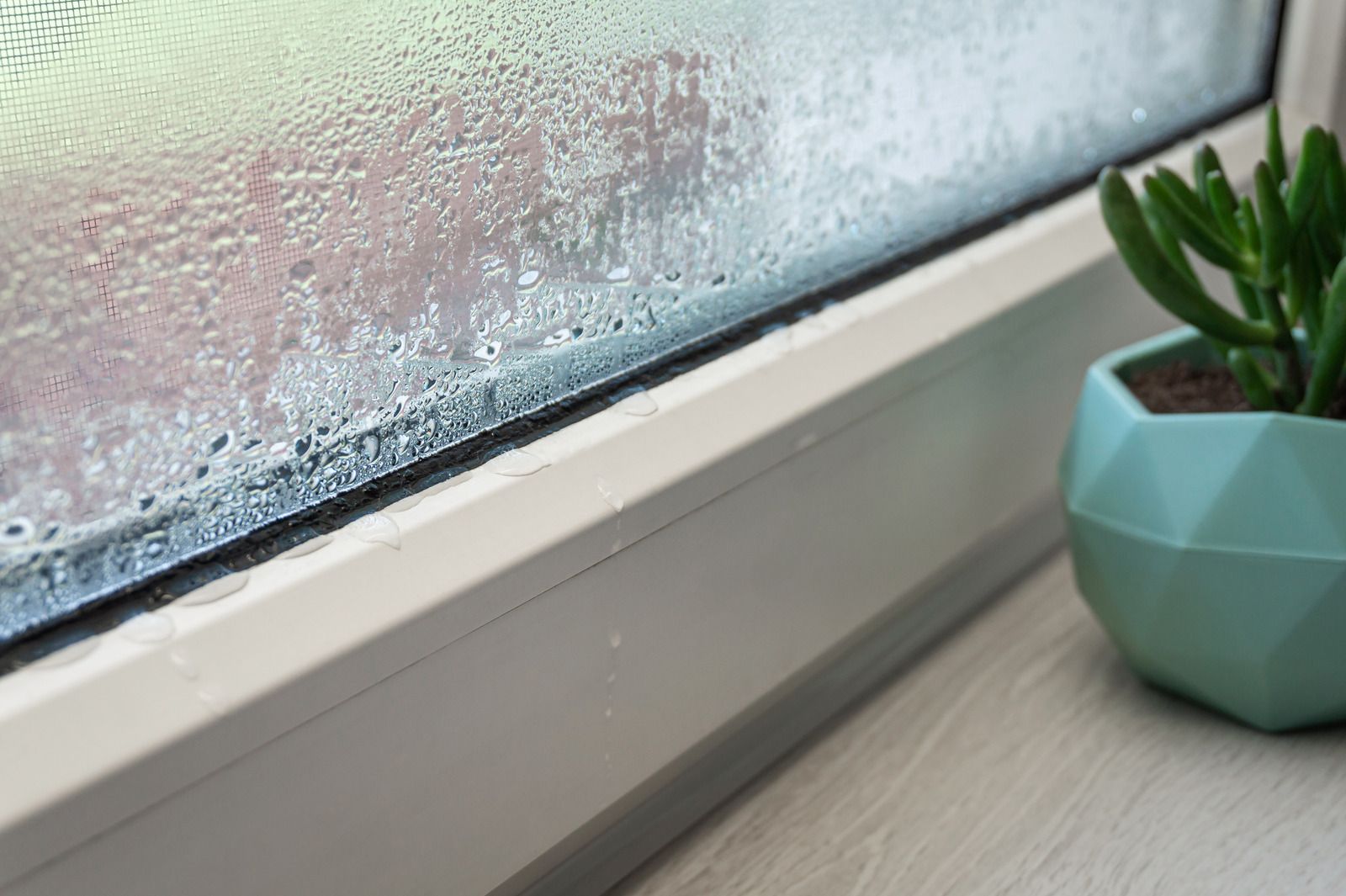
Double and triple pane windows consist of two or three glass layers separated by insulating gas fills. Double-pane windows are cost-effective and suitable for moderate climates, while triple-pane options provide superior insulation in extreme weather conditions. Multiple panes reduce condensation, improve soundproofing, and enhance thermal performance.
Low-E Glass Windows
Low-E glass features a micro-thin metallic coating that reflects infrared energy. This coating helps retain indoor heat during colder months and repels solar heat during summer. Low-E windows are available in various performance levels to suit regional climates and energy objectives.
Gas-Filled Windows
Argon and krypton gas fills between panes act as insulators, reducing thermal conductivity. Argon is more affordable and suitable for most climates, while krypton offers higher efficiency for colder regions. Gas fills enhance comfort and reduce energy consumption without significant visual impact.
Frame Materials and Styles
Window frames significantly affect energy performance. Vinyl, fiberglass, and composite frames offer low thermal conductivity and long-term durability, while aluminum frames require thermal breaks to prevent heat transfer. Styles such as casement, double-hung, and sliding windows can influence sealing quality and overall efficiency. Selecting the right combination of frame and glazing ensures maximum energy performance.
4. Installation Best Practices
Professional Assessment
Proper installation is as crucial as window selection. A professional assessment evaluates wall construction, window size, and orientation to determine the best installation approach. Misaligned or improperly sealed windows can undermine energy efficiency and lead to drafts, moisture intrusion, and structural issues.
Air Sealing and Insulation
Sealing gaps around windows with weatherstripping or caulk prevents air leaks, enhancing performance. In addition, adding insulation around the frame minimizes heat loss and improves energy ratings.
Placement and Orientation
Strategic placement optimizes natural lighting and solar heat gain. South-facing windows can capture passive solar energy in colder regions, while shading or reflective films can reduce heat gain in warmer climates.
Regular Maintenance
Energy-efficient windows require periodic cleaning and inspection to maintain seals, check for condensation, and ensure smooth operation. Routine maintenance extends lifespan and preserves energy-saving performance.
5. Overcoming Challenges
Initial Cost Considerations
Energy-efficient windows often require a higher upfront investment than traditional options. However, long-term savings on energy bills, reduced HVAC wear, and increased property value typically offset initial costs within several years.
Selecting the Right Product
With numerous glazing, frame, and coating options, selecting the right window can be complex. Homeowners must consider climate, home orientation, and budget. Consulting energy performance ratings and regional building guidelines ensures informed decisions.
Installation Quality
Even high-performance windows fail to deliver benefits if installed improperly. Prioritizing certified installers and proven techniques guarantees optimal performance, preventing air leaks, condensation, and damage over time.
Balancing Aesthetics and Efficiency
Energy-efficient windows are available in various styles and finishes, making it possible to enhance curb appeal while maintaining performance. Choosing designs that align with architectural preferences ensures aesthetic satisfaction without compromising efficiency.
6. Maximizing Savings and Comfort
Integrating Window Treatments
Blinds, shades, and curtains complement energy-efficient windows by adding an additional layer of insulation. Thermal curtains are particularly effective during extreme weather, reducing heat loss or gain and increasing overall comfort.
Passive Solar Design
Combining energy-efficient windows with passive solar design strategies maximizes natural heating and cooling benefits. For instance, south-facing windows in cold climates can reduce heating demand, while overhangs or exterior shading in hot climates minimize cooling needs.
Smart Home Integration
Smart thermostats and automated window treatments optimize indoor temperatures by responding to sunlight, outdoor conditions, and occupancy patterns. Integrating energy-efficient windows with smart home technologies amplifies energy savings and improves daily comfort.
Long-Term Investment
Energy-efficient windows enhance property value, attract eco-conscious buyers, and lower maintenance and replacement costs. Over time, the combination of energy savings, comfort, and environmental responsibility makes these windows a strategic and financially sound investment.
Professional Window Installation and Efficiency Expertise Guaranteed
Energy-efficient windows provide a compelling combination of comfort, financial savings, and environmental benefits. By reducing heat transfer, minimizing drafts, and blocking harmful UV rays, these windows improve indoor climate consistency and protect interior furnishings. Homeowners benefit from lower utility bills, reduced HVAC wear, and enhanced soundproofing. Selecting the right type of window—whether double or triple pane, Low-E, or gas-filled—combined with proper installation and maintenance, ensures optimal performance and longevity. Additional strategies, including window treatments, passive solar design, and smart home integration, further enhance energy efficiency and indoor comfort.
At Colorado Western Construction
in Denver, Colorado, 30
years of experience underpins a commitment to helping property owners achieve both energy efficiency and aesthetic excellence. Expertise spans precise window installation, energy performance optimization, and guidance on materials and design suited to local climate conditions. By prioritizing quality, durability, and professional standards, we provide solutions that deliver tangible savings, superior comfort, and long-term value for every property. With Colorado Western Construction, energy-efficient upgrades are an investment in comfort, sustainability, and enduring quality.