Interior Residential Remodeling and Restoration
Interior Residential Remodeling and Restoration in Denver, Colorado
Residential Remodeling
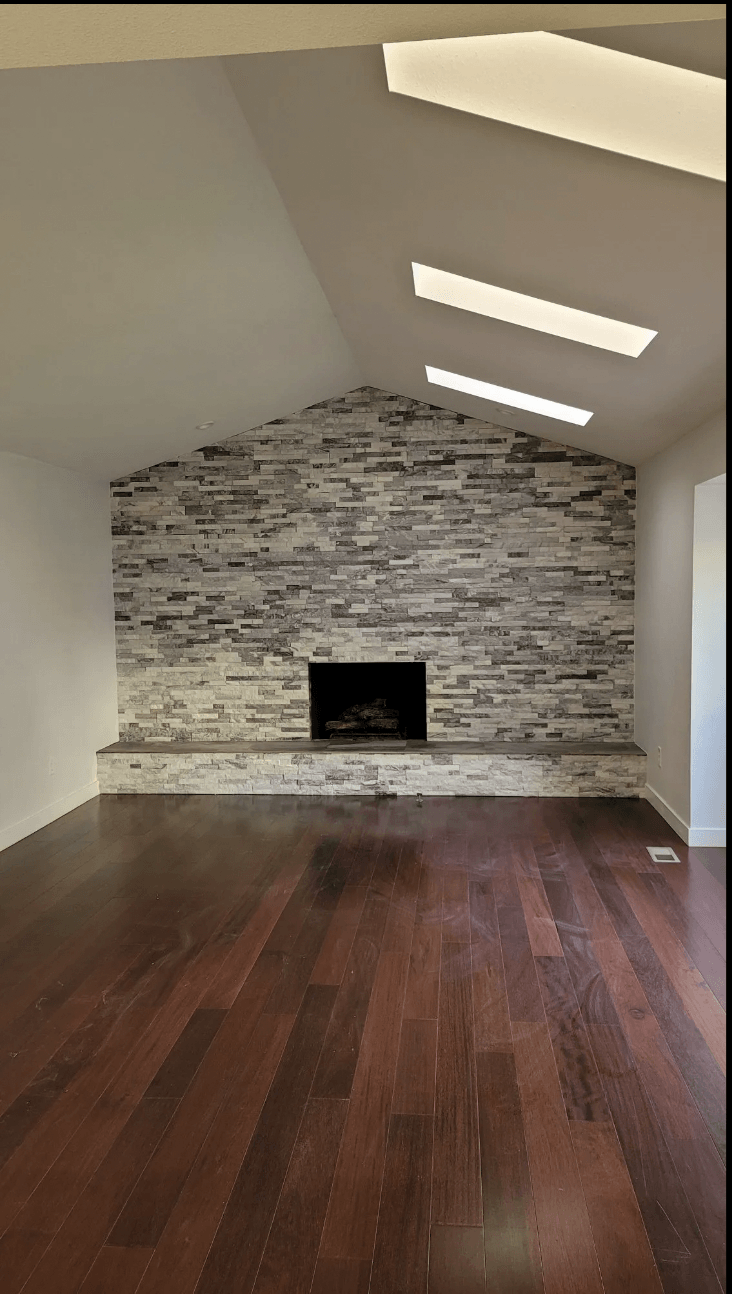
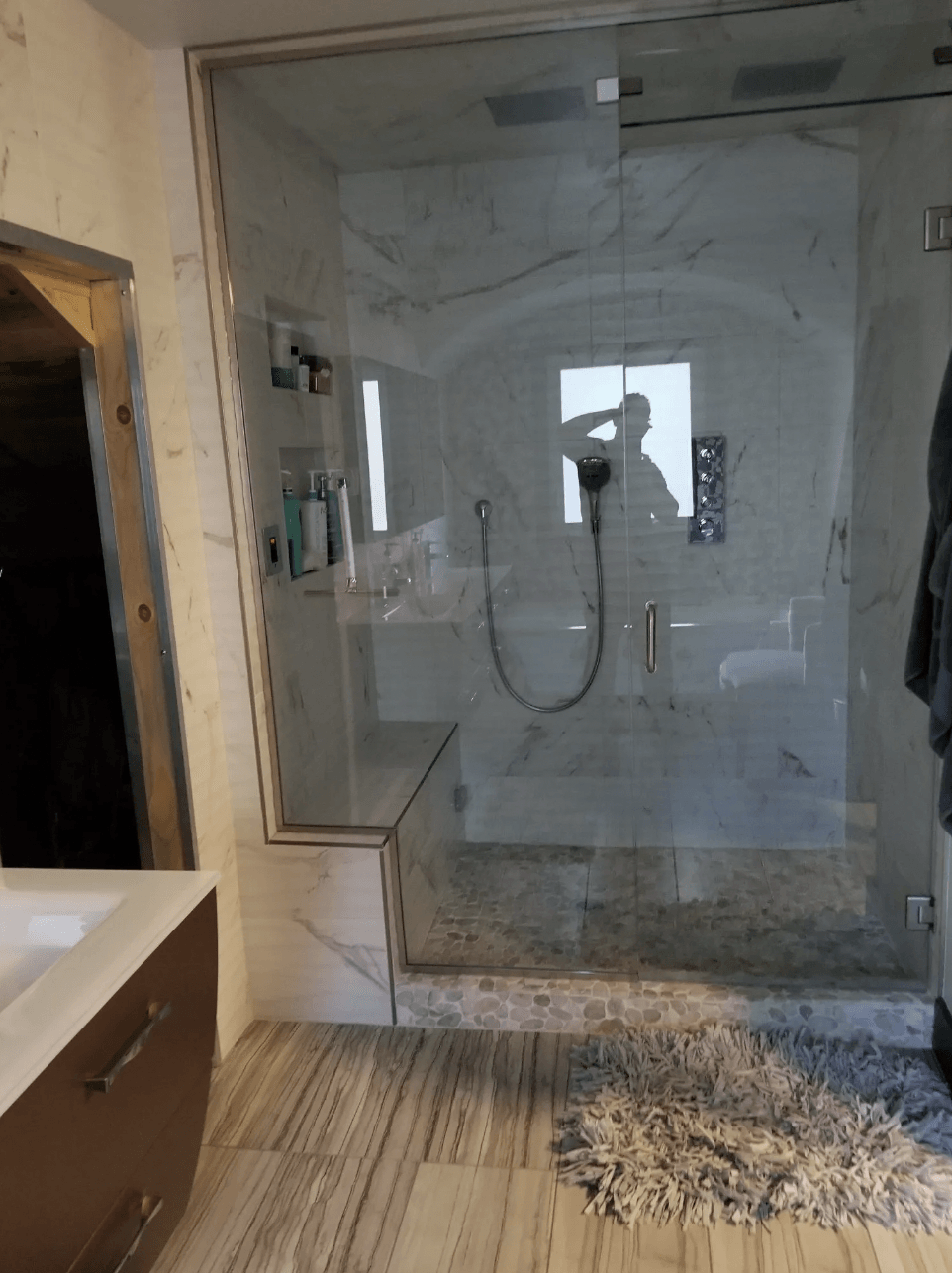
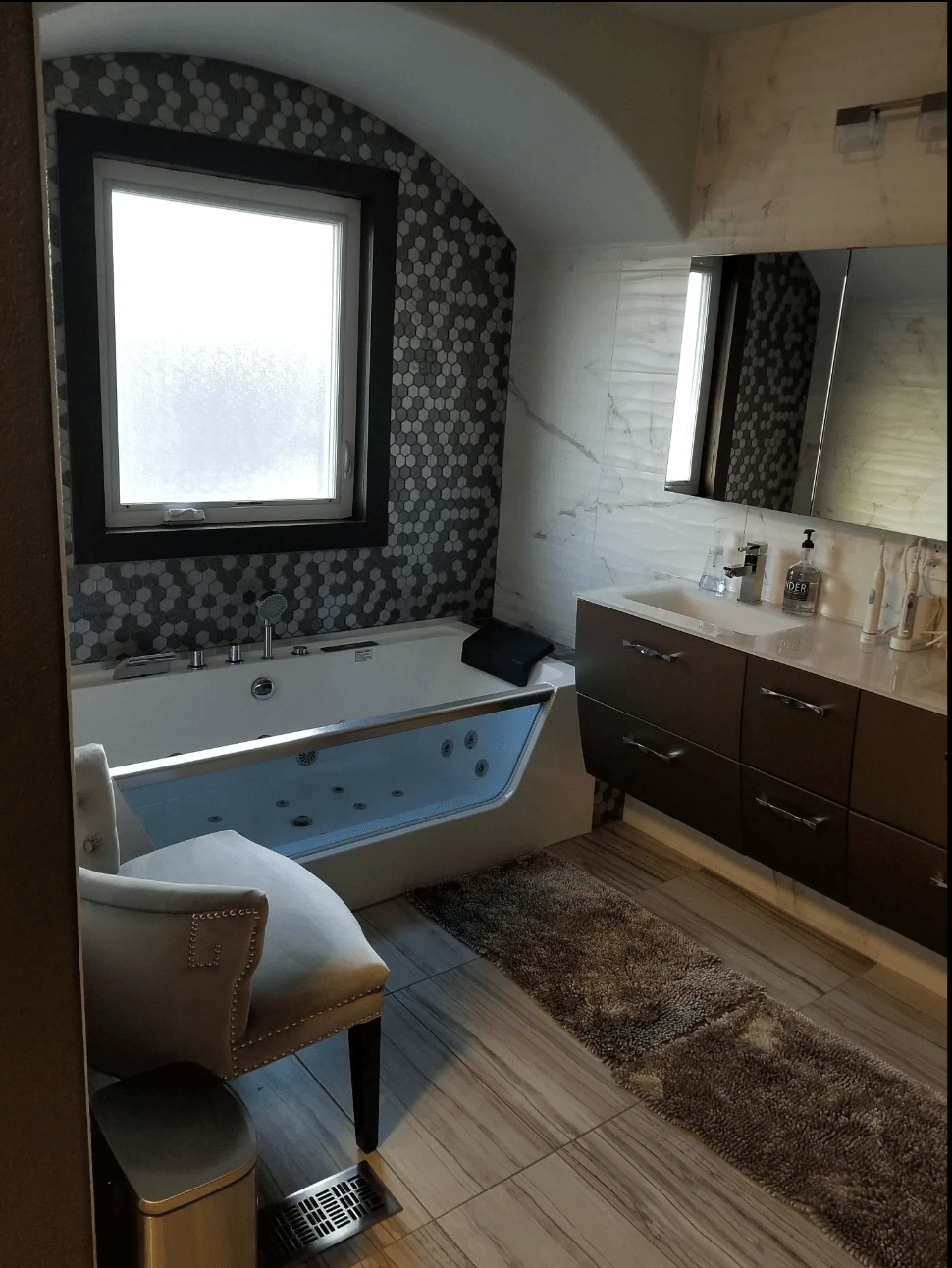
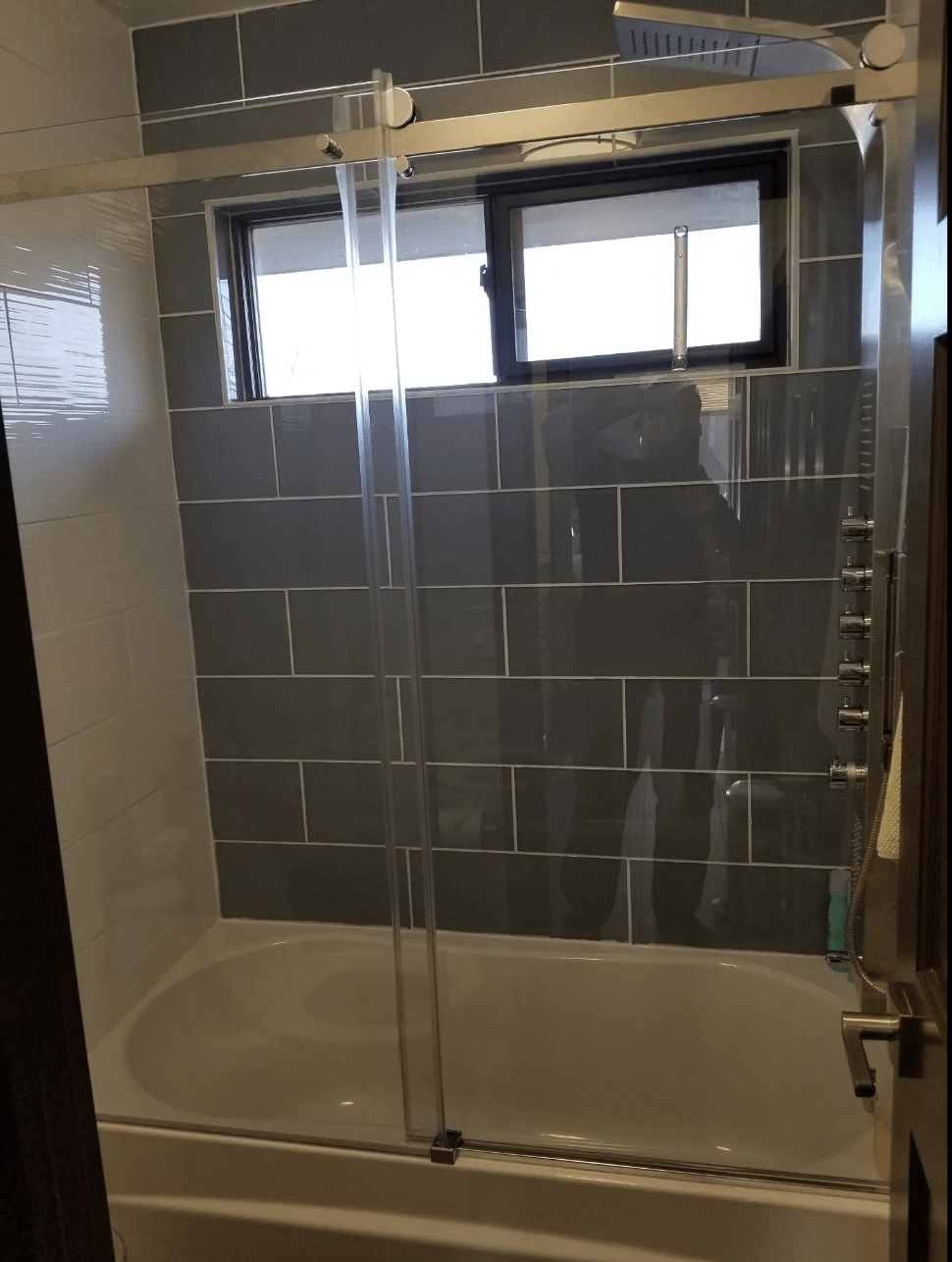
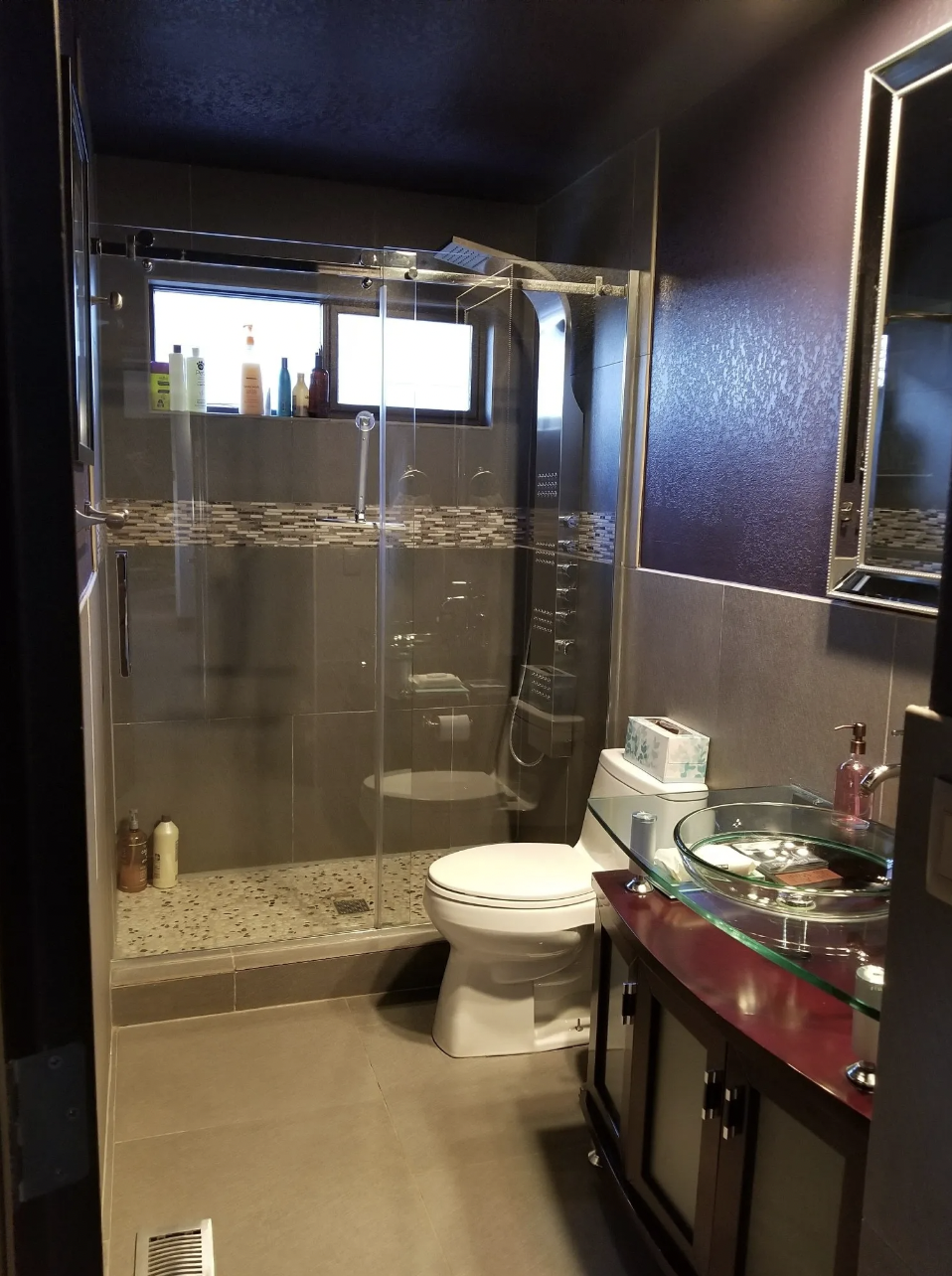
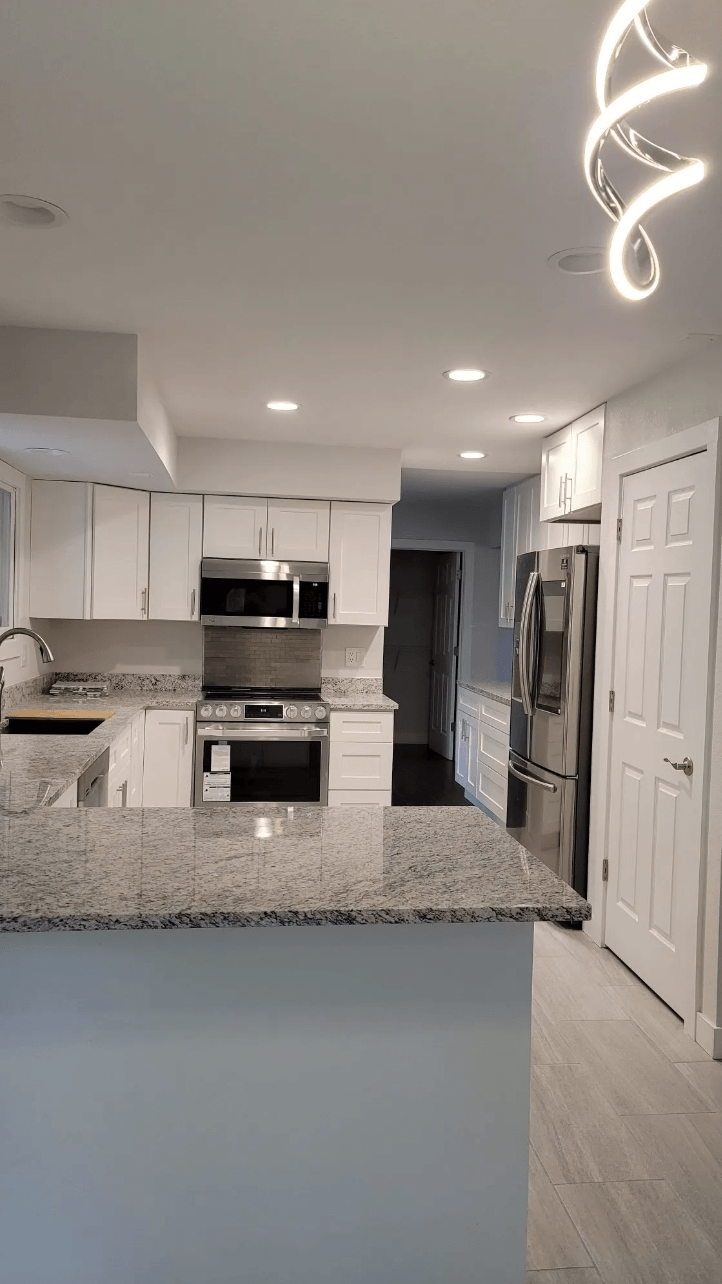
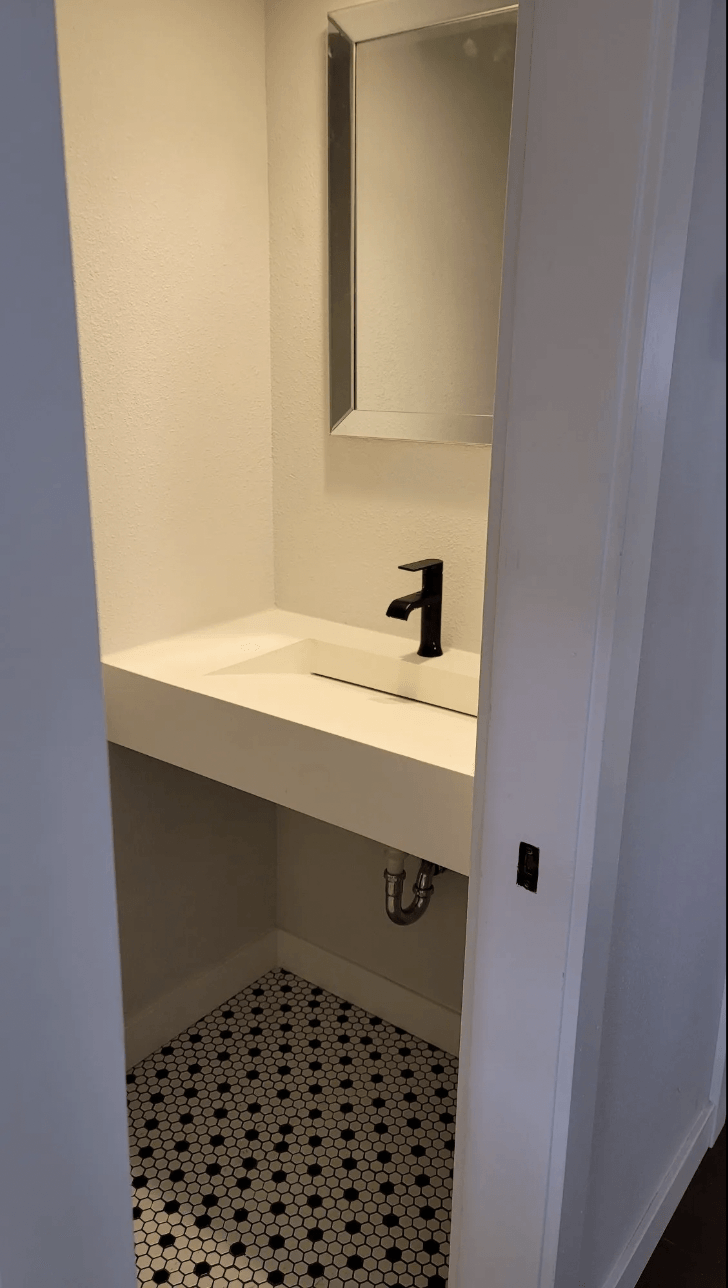
A home should represent the homeowner’s personal taste and style. It should provide everyone in the family a place to unwind, enjoy with loved ones, and make memories. If your home is old or has an outdated design that fails to meet your present needs and lifestyle, it is time to consider a custom remodel. Residential remodeling projects may include a kitchen remodel, bathroom remodel, basement finishing, room additions, or a whole-house remodel. Remodeling involves changing the layout and structure of the existing space and not just updating it.
Remodeling improves the property’s condition, boosts its value, offers an opportunity to customize, increases efficiency, comfort, and functionality, and allows you to upgrade the existing home to accommodate the changing needs. A
professional residential remodeling contractor in Denver, CO, can help design your dream home space. They will bring your ideas to fruition. Every successful remodeling project requires extensive planning and careful execution, which only pros can ensure.
The contractors at Colorado Western Construction can handle all big and small residential remodeling projects. Our extensive knowledge and years of experience help provide customers with exactly what they desire from their home remodeling project at budget-friendly prices.
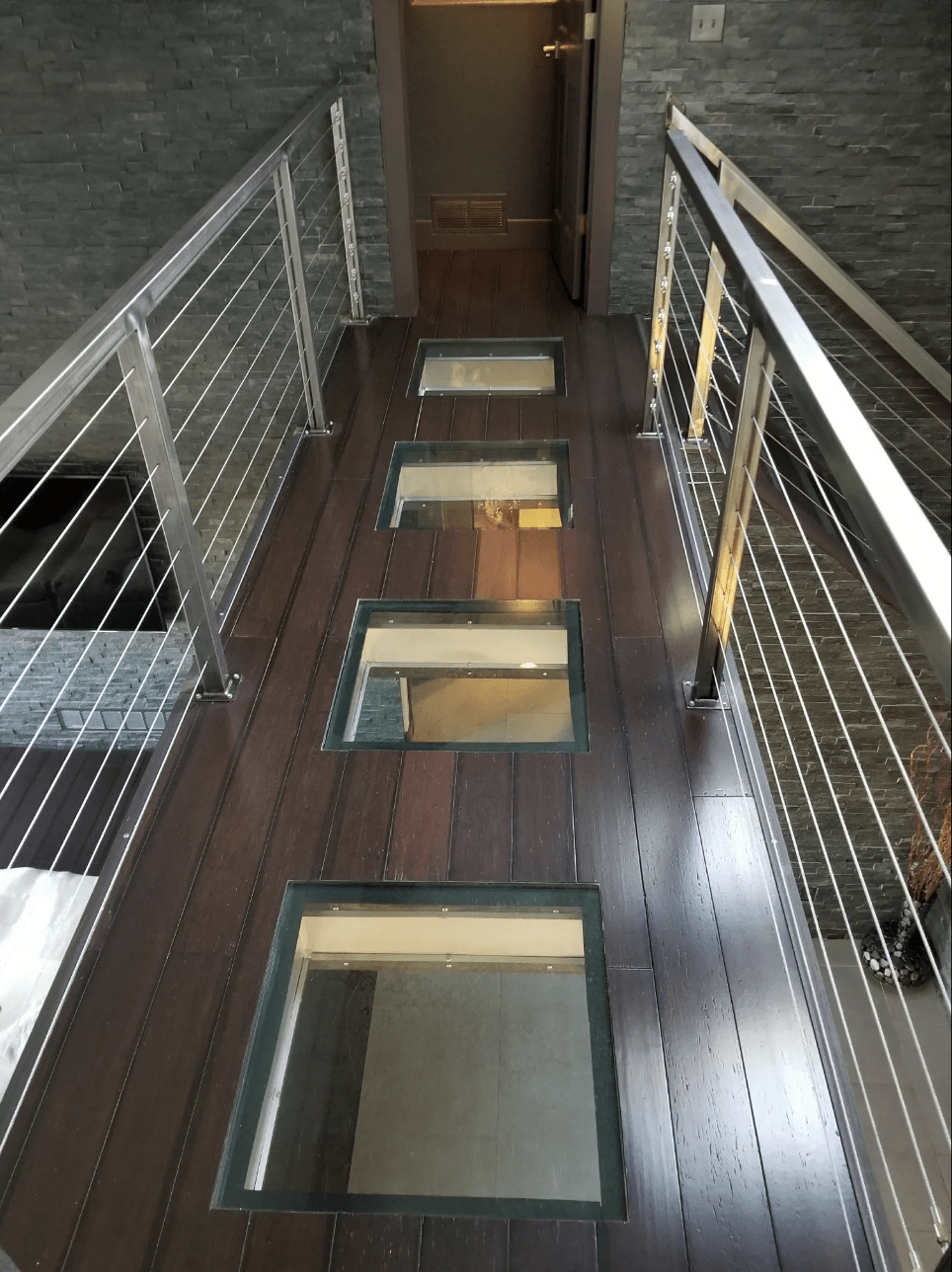
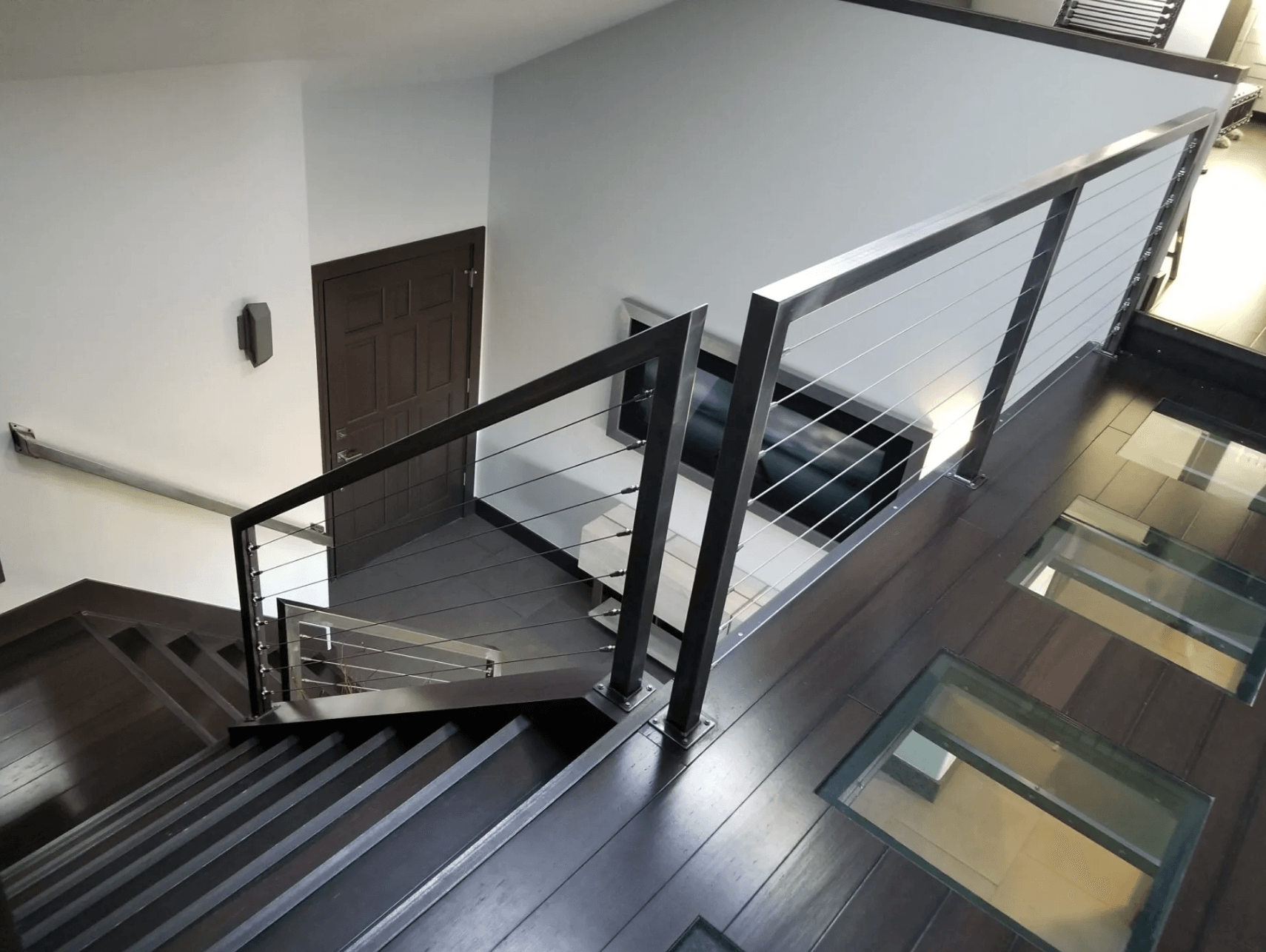
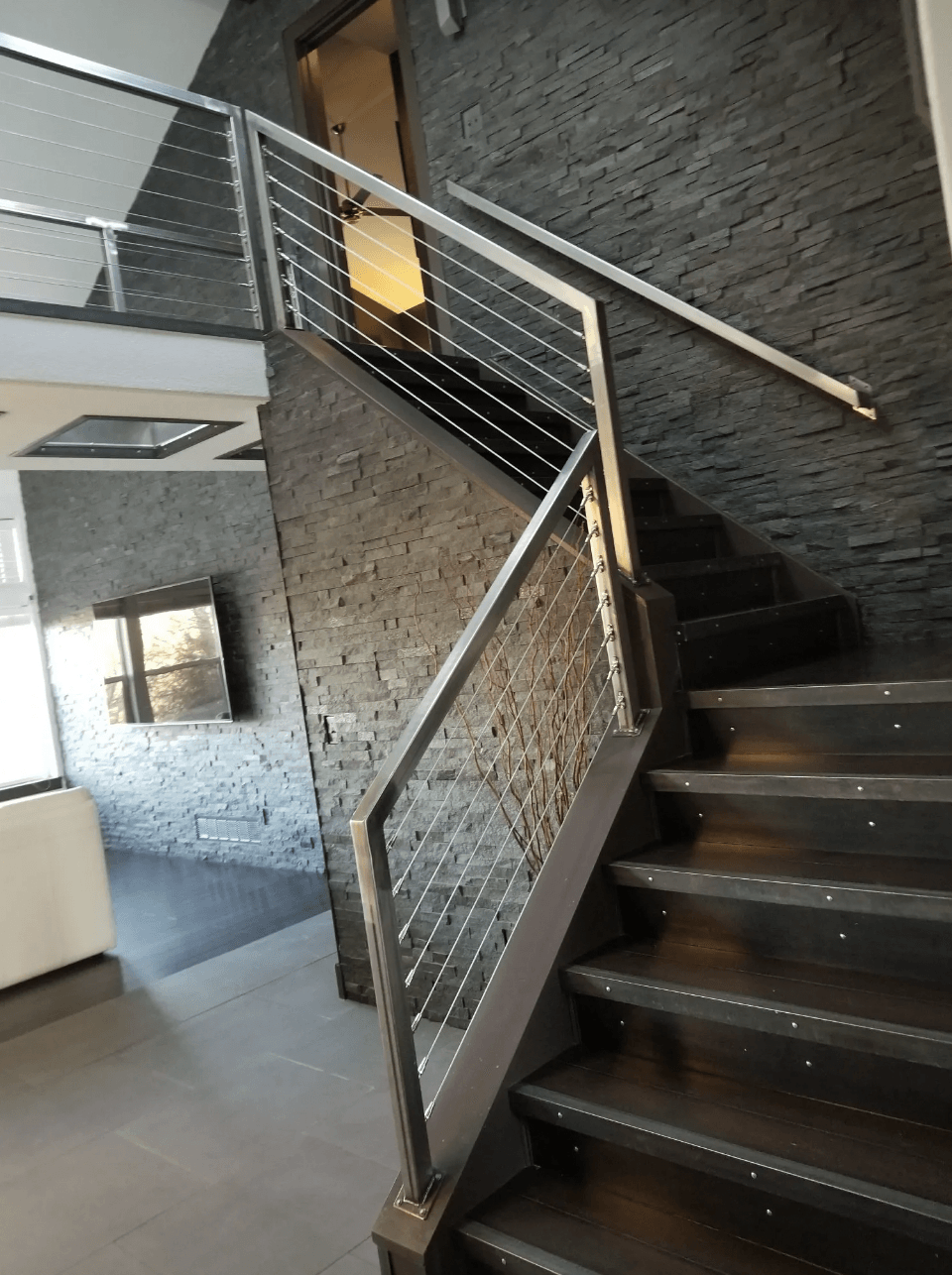
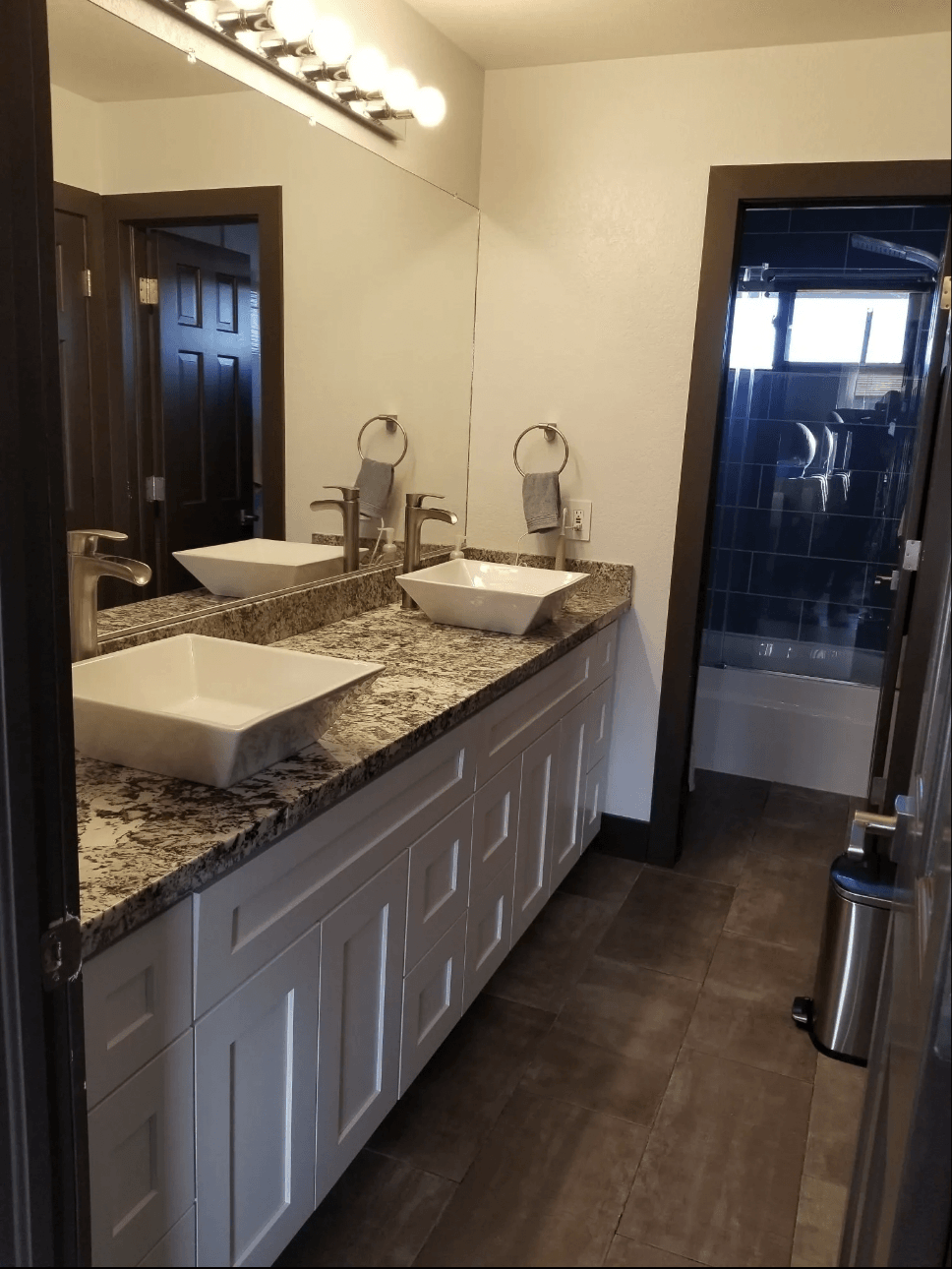
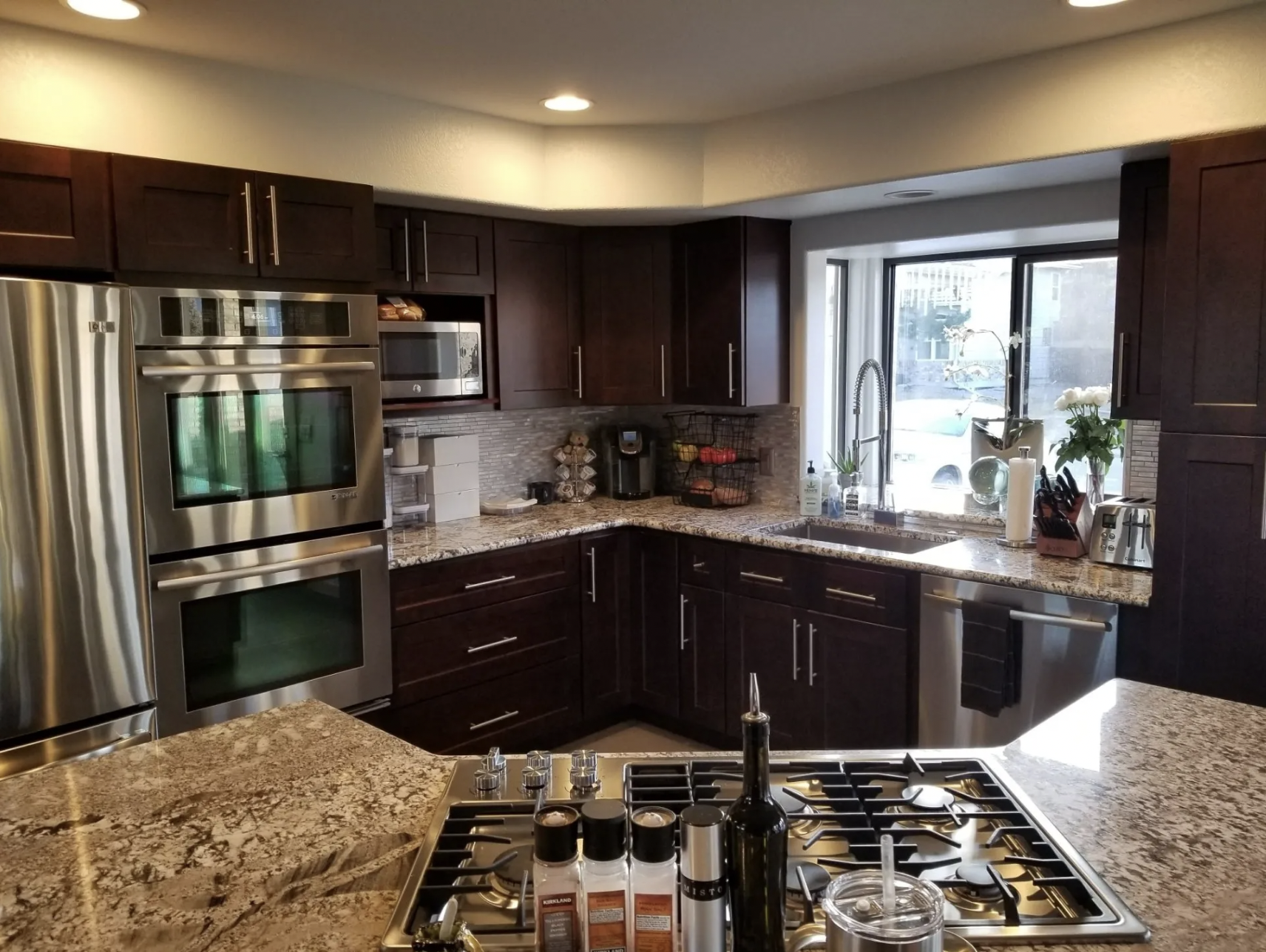
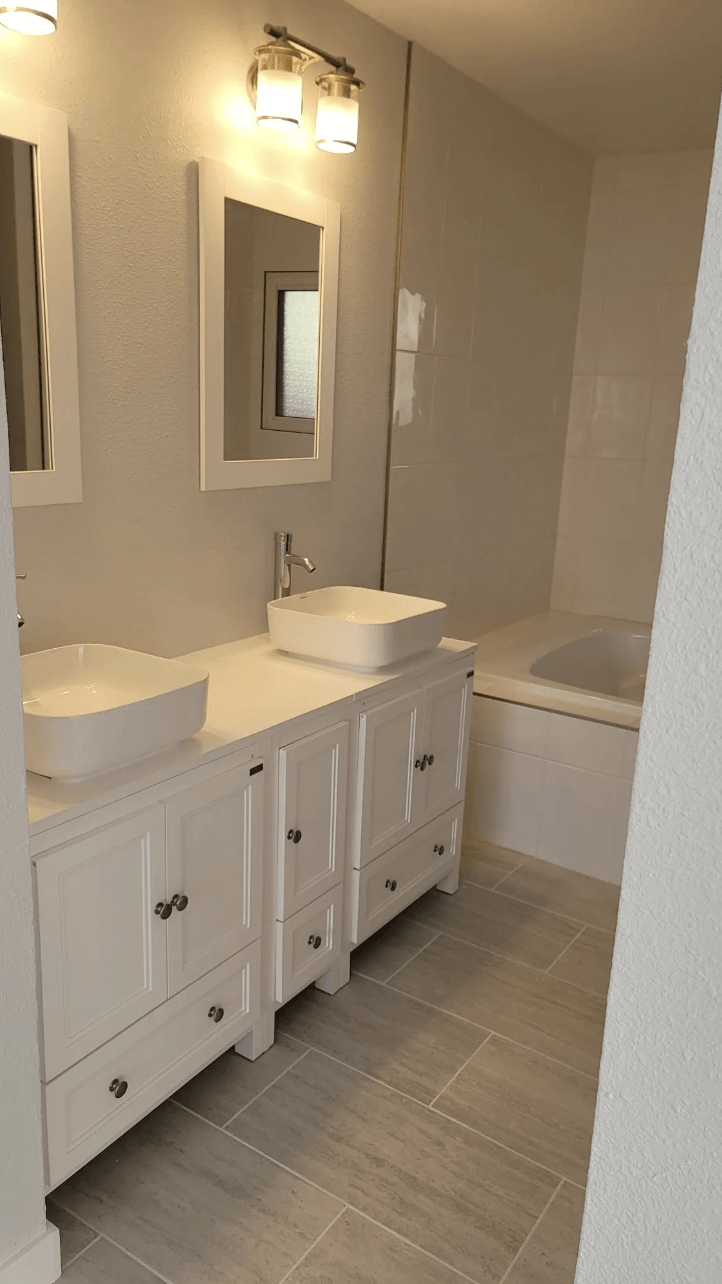
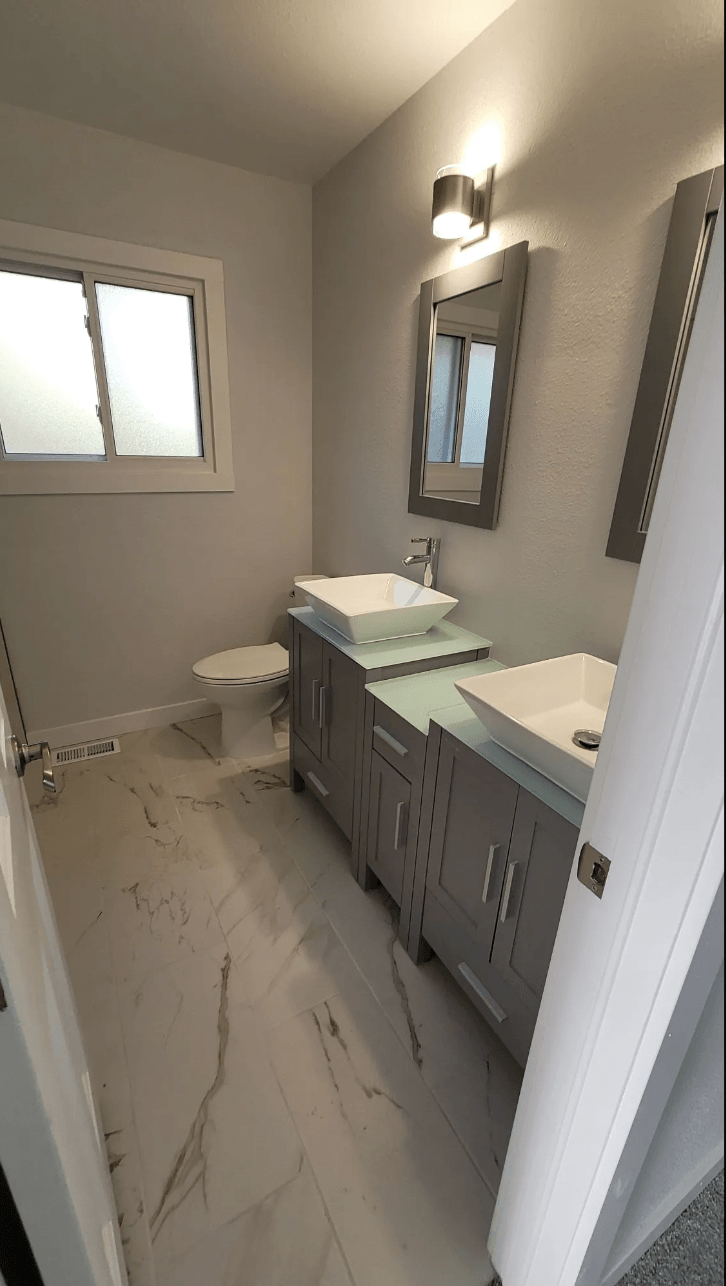
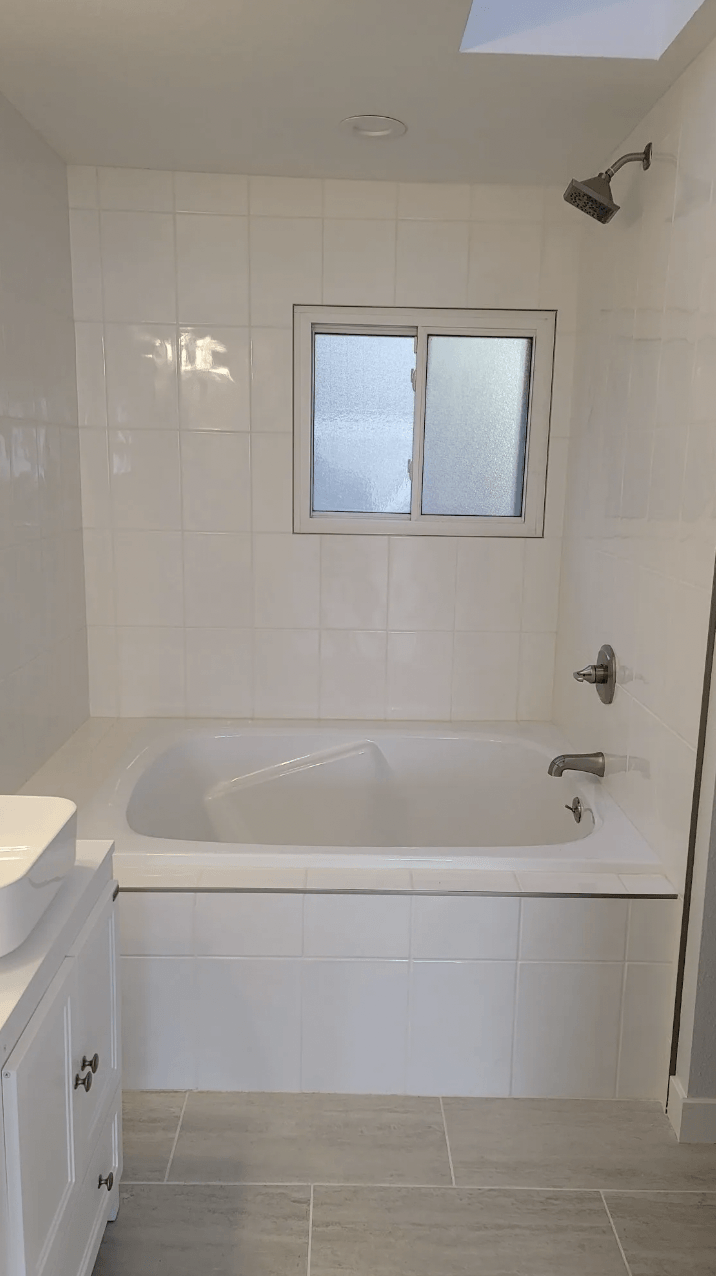
Residential Restoration
Residential restoration is the process of returning the home or residential building to its original condition. If your home has sustained extensive damage from a flood, storm, or wildfire or is infested by mold, a residential restoration service assesses the damage and fixes it to get the home back to normal condition as quickly as possible. Regardless of what caused the damage and its extent, experts use advanced techniques to clean up, treat it, and ensure safe and efficient restoration.
Popular home restoration services include mold remediation, weather damage repairs, odor removal, fire and smoke damage recovery, water damage repairs, and specialty restoration. Some of the home areas that are most likely to need restoration include bathrooms, basements, kitchens, walls and ceilings, roofs, flooring, and fireplaces. A residential restoration company like Colorado Western Construction in Denver, CO, uses professional equipment and techniques, has a low response time, and provides efficient and top-class restoration services at competitive prices.
Remodeling vs. Restoration - Understanding the Difference
Remodeling involves altering the home's layout and overall appearance, while in restoration, the house is restored to like it was before. Remodeling requires more involvement than restoration. Remodeling also costs higher than a restoration process and takes more time, materials, manpower, and effort to complete. Restoration may involve updating the damaged flooring, replacing the broken doors and windows, and replacing damaged lighting and plumbing fixtures.
Restoration is basically the opposite of remodeling. It aims to upgrade or restyle, while restoration aims at maintaining the original look and appearance.
Colorado Western Construction is your reliable remodeling and restoration company in Denver, Colorado. Our trained technicians strive to provide the best possible services to all customers, regardless of the project size. We are well-equipped to meet all your requirements. Get in touch for free estimates.
FAQ's
How long will my interior remodel actually take from start to finish?
Timelines depend on scope: a bathroom refresh can take 2–4 weeks; a full kitchen or major restoration often runs 8–16 weeks. Unexpected discoveries (hidden rot, framing, or electrical issues) add time. Colorado Western Construction provides a phased schedule during planning with milestone dates for demolition, rough-ins, inspections, and finishes. We build buffer time for permit approvals, material lead times, and weather-sensitive work. Expect regular schedule updates so you always know the current projected completion date.
What’s included in your cost estimate — and what common “hidden” costs should I budget for?
Estimates include labor, basic materials, subcontractor fees, and common permit costs. Hidden expenses customers often overlook are structural repairs revealed during demo, upgraded electrical or plumbing to meet code, premium finishes chosen mid-project, inspection rework, and temporary living adjustments. We provide a contingency recommendation (typically 10–20%) and line-item transparency so you can see allowances versus confirmed costs. Open communication about selections early reduces surprises and helps prioritize spending for biggest impact.
Who handles permits, inspections, and code compliance in Denver?
Colorado Western Construction manages permit acquisition, scheduling required inspections, and ensuring work meets Denver Building Code and state regulations. We coordinate with local inspectors and pull the correct trade permits (electrical, plumbing, structural) so you don’t have to. If special historic-district or HOA approvals are needed, we’ll advise on the process. Clients should budget permit fees and allow for inspection windows; proactive permitting avoids costly rework and keeps your project legally compliant.
Can I live in my house during the remodel — what should I prepare for?
Many customers live onsite during partial remodels; full gut projects are more disruptive. Prepare by creating a temporary kitchen/bathroom, sealing off work zones, and establishing alternate sleeping arrangements for extended dust or noise. Expect daily work hours, truck access, and occasional noise/odors. We implement dust-containment systems, staged demolition, and dedicated cleanup routines. If living onsite isn’t practical, we can recommend short-term housing options and plan work sequencing to minimize displacement.
How do I choose materials that perform well in Denver’s climate?
Denver’s high altitude, UV exposure, and temperature swings influence material longevity. Choose low-VOC finishes, UV-stable cabinetry surfaces, moisture-resistant backer board in wet areas, and proper insulation/air sealing to manage dryness and solar gain. Flooring should tolerate seasonal humidity shifts—engineered hardwood or proven tile are good choices. We’ll review performance tradeoffs, maintenance needs, and lifecycle costs so your selections balance aesthetics, durability, and long-term value specific to the Denver environment.
What happens if hidden problems appear during demolition (mold, asbestos, structural issues)?
Hidden issues are common in older homes. If we encounter mold, asbestos, rot, or undersized framing, we immediately stop and document the problem, then present remediation options and cost estimates. For hazardous materials we coordinate certified abatement subcontractors; for structural fixes we provide engineered solutions and permit documentation. Tackling these correctly protects safety and resale value—cutting corners creates bigger expenses later. Our goal is prompt, transparent decisions so the project can continue with minimal delay.
How involved will I need to be in the design and decision process?
Your desired level of involvement is up to you. Some clients want hands-on material and layout selection; others prefer a turnkey approach. We offer collaborative design sessions, sample boards, and digital renderings to help visualize choices. Timely selection of finishes during the planning phase prevents delays and budget overruns. If you’re unsure, we’ll suggest design tradeoffs that maximize impact per dollar. Regular checkpoint meetings ensure your priorities remain central throughout the project.
What are realistic expectations for schedule delays and how do you manage them?
Delays can stem from permit wait times, specialty material lead times, subcontractor schedules, or unforeseen site conditions. We manage risk by confirming lead times before ordering, using reputable local suppliers, and maintaining flexible sequencing. When delays occur we communicate causes and revised timelines immediately and propose mitigation: alternative materials, phased work, or temporary scope adjustments. Transparent, proactive communication helps you plan around delays and reduces stress during the remodel.
How do warranties, guarantees, and post-project support work?
Colorado Western Construction provides workmanship warranties on installations and coordinates manufacturer warranties for appliances, fixtures, and materials. Warranty length varies by trade and product; we supply clear warranty documentation at project close and handle service coordination for covered issues. For anything outside manufacturer terms—like installation issues—we respond promptly and schedule repairs. Keeping records of installations, serial numbers, and permits simplifies future claims and protects your investment.
What’s the difference between restoration and replacement — when should I restore instead of replace?
Restoration focuses on preserving character—refinishing original millwork, repairing historic plaster, or upgrading systems while keeping visible elements intact. Replacement is chosen when elements are beyond repair or when energy, safety, or code compliance demands a modern solution. Restoration often yields higher aesthetic and historic value, while replacement can offer performance gains and lower maintenance. We assess condition, cost to repair versus replace, and how each option affects long-term value and design goals.