How to Identify Hidden Storm Damage Before It Becomes Costly
Severe weather does not always leave behind obvious destruction. In many homes, the most expensive storm damage is not the damage you can see — but the damage that remains hidden beneath the surface. From subtle roof leaks and weakened shingles to moisture trapped inside walls and compromised structural components, storm-related issues can quietly worsen over time until they evolve into major repairs. Homeowners often overlook these warning signs because the property appears intact from the outside, only to discover costly consequences months later when the damage becomes impossible to ignore.
In today’s property and construction landscape, understanding how to identify hidden storm damage early has become an essential part of long-term home maintenance and asset protection. Insurance requirements, real-estate market expectations, and evolving construction standards all place greater emphasis on proactive inspection and timely repairs. By learning how storms impact different areas of a home — and knowing which subtle clues signal underlying problems — homeowners can make informed decisions, prevent structural deterioration, and maintain the safety and value of their property. This guide explains how to detect early storm damage indicators, why they matter, and what steps to take before minor concerns turn into expensive restoration projects.
1. Understanding Why Hidden Storm Damage Often Goes Unnoticed
Subtle Structural Stress After High Winds
High winds can shift roofing materials, loosen flashing, or lift shingles just enough to allow small amounts of water intrusion — without creating immediate leaks. This type of storm damage often remains invisible from ground level. Over time, wind-stressed areas weaken further, creating gradual roof deterioration, damp insulation, and slow-forming moisture pockets that eventually lead to mold or staining. Because the effects develop gradually, many homeowners only identify the issue after recurring water marks or interior ceiling damage appears, providing greater resilience and peace of mind for homeowners.
Delayed Impact of Hail and Debris
Hailstones may not always crack shingles or dent exterior surfaces noticeably. Instead, they can create micro-fractures, impact granule coating, and reduce overall weather resistance. While a roof may look structurally sound, its protective layer has been compromised, increasing susceptibility to UV exposure, leaks, and premature aging. This delayed form of deterioration is one of the most common causes of hidden post-storm roof failure, helping property owners plan timely maintenance with confidence.
2. Early Roof Damage Indicators Homeowners Should Not Ignore
Granule Loss and Surface Wear
After a storm, roofing granules often accumulate in gutters or at downspout openings. While this may not seem alarming, granule loss is a leading indicator of shingle wear caused by wind or hail impact. Without the protective surface coating, shingles lose durability, absorb more heat, and deteriorate faster — ultimately shortening the roof’s lifespan, supporting smarter roof care decisions for the future.
Subtle Sagging or Uneven Roof Lines
Even minor roofline inconsistencies may indicate structural shifting beneath the roofing surface. These issues typically develop when storms cause decking movement, moisture absorption, or load distribution changes. Left unresolved, uneven roof surfaces can progress into structural instability or water ponding problems, safeguarding household stability and structural performance over time.
Small Interior Water Stains
A faint ceiling stain or occasional drip during heavy rainfall is often a sign of slow-forming storm damage. These leaks rarely appear immediately after a storm; instead, trapped moisture gradually finds entry points. Early identification and professional inspection can prevent costly drywall replacement, insulation damage, and electrical risks, reducing long-term repair risks and unexpected moisture damage.
3. Hidden Exterior Damage Beyond the Roof
Siding, Fascia, and Soffit Weak Points
This is paragraph text. Click it or hit the Manage Text button to change the font, color, size, format, and more. To set up site-wide paragraph and title styles, go to Site Theme.
Foundation and Drainage Concerns
Heavy rainfall and pooling water around the foundation can lead to soil displacement, erosion, or subtle cracking. These shifts may not be visible immediately but can compromise structural alignment and basement moisture control over time. Early drainage inspection and grading corrections significantly reduce future repair costs, preserving structural balance and long-term household safety overall.
Window and Sealant Deterioration
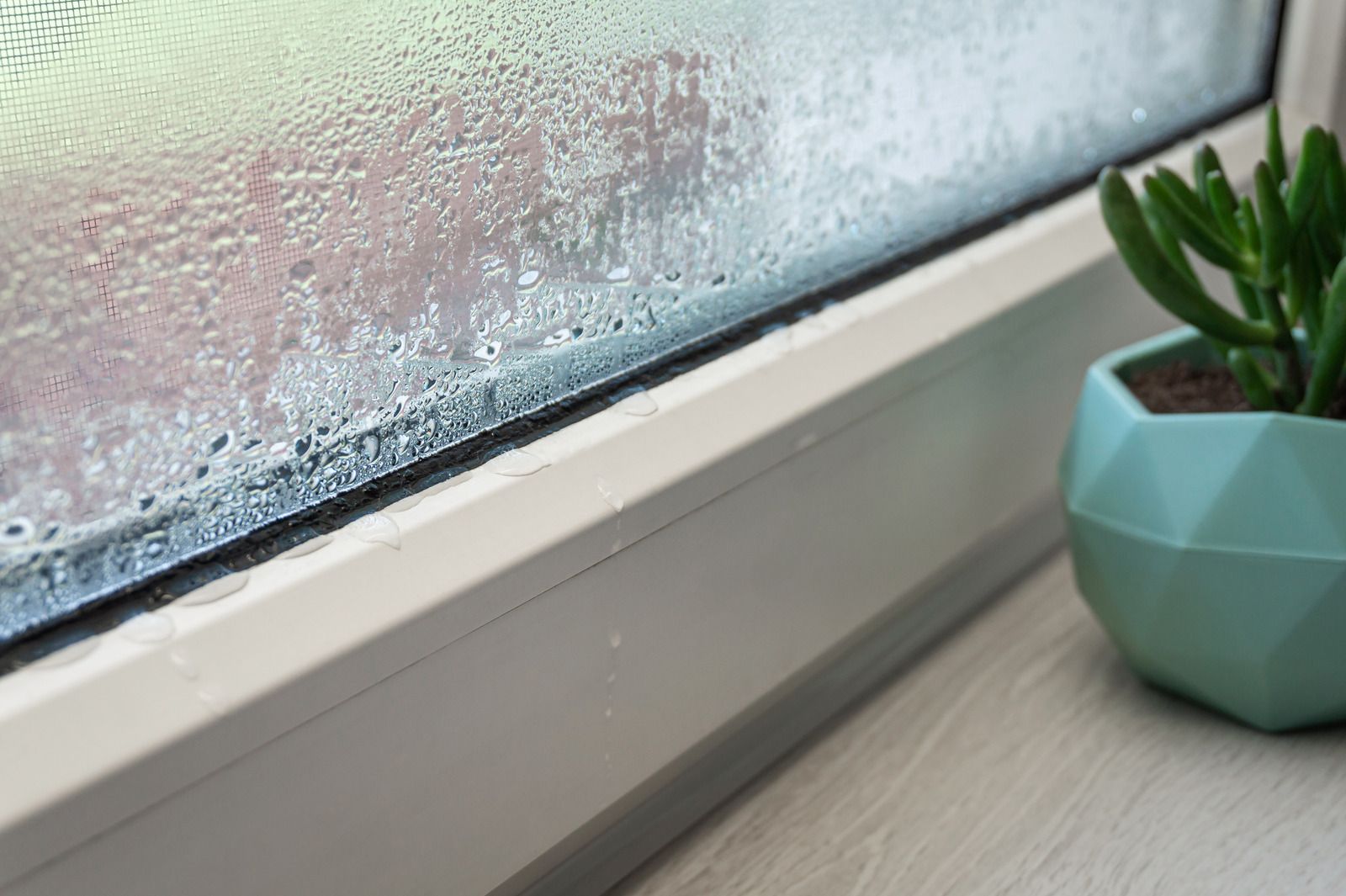
Windows subjected to repeated storm pressure can develop hairline seal fractures or frame separation. The result is inefficient insulation, condensation buildup, or gradual water infiltration around sills. Identifying sealant failure early protects interior finishes and helps maintain energy performance, ensuring comfort, durability, and dependable year-round weather protection.
4. Interior Warning Signs That Suggest Concealed Storm Damage
Subtle Structural Stress After High Winds
High winds can shift roofing materials, loosen flashing, or lift shingles just enough to allow small amounts of water intrusion — without creating immediate leaks. This type of storm damage often remains invisible from ground level. Over time, wind-stressed areas weaken further, creating gradual roof deterioration, damp insulation, and slow-forming moisture pockets that eventually lead to mold or staining. Because the effects develop gradually, many homeowners only identify the issue after recurring water marks or interior ceiling damage appears, providing greater resilience and peace of mind for homeowners.
Delayed Impact of Hail and Debris
Hailstones may not always crack shingles or dent exterior surfaces noticeably. Instead, they can create micro-fractures, impact granule coating, and reduce overall weather resistance. While a roof may look structurally sound, its protective layer has been compromised, increasing susceptibility to UV exposure, leaks, and premature aging. This delayed form of deterioration is one of the most common causes of hidden post-storm roof failure, helping property owners plan timely maintenance with confidence.
Subtle Structural Stress After High Winds
High winds can shift roofing materials, loosen flashing, or lift shingles just enough to allow small amounts of water intrusion — without creating immediate leaks. This type of storm damage often remains invisible from ground level. Over time, wind-stressed areas weaken further, creating gradual roof deterioration, damp insulation, and slow-forming moisture pockets that eventually lead to mold or staining. Because the effects develop gradually, many homeowners only identify the issue after recurring water marks or interior ceiling damage appears, providing greater resilience and peace of mind for homeowners.
6. Long-Term Benefits of Early Detection and Proactive Repair
Extending Roof and Structural Lifespan
Addressing storm-related weaknesses before they spread preserves material integrity and reduces the likelihood of widespread system replacement. Preventive maintenance remains far more cost-effective than post-failure restoration, helping homeowners avoid major disruptions and future expenses.
Protecting Property Value and Safety
Homes with documented inspections and timely repairs retain stronger resale value, improved buyer confidence, and enhanced long-term safety. Proactive storm damage management also prevents secondary hazards such as mold exposure or electrical moisture risks, building stronger buyer trust and long-term household confidence.
Reducing Insurance Disputes and Financial Stress
Hidden damage that worsens over time may be classified as neglect rather than storm impact, limiting claim eligibility.
Early reporting and repair verification ensure smoother claim processing and reduce unexpected personal expenses, supporting smoother resolutions and better financial preparedness overall.
Hidden storm damage rarely reveals itself all at once. Instead, it develops gradually through subtle structural stress, moisture intrusion, and material deterioration that often goes unnoticed until repairs become expensive. By understanding the early indicators of storm-related issues — from roof granule loss and faint ceiling stains to siding separation and attic ventilation shifts — homeowners can identify potential risks before they escalate.
Proactive inspections, thorough documentation, and timely professional evaluations are essential to protecting both the structural integrity and long-term value of a property.
Recognizing storm damage early is not simply a maintenance task — it is a strategic investment in safety, resilience, and financial protection. When homeowners adopt a preventive mindset and address issues as soon as they appear, they significantly reduce the likelihood of unexpected restoration costs while ensuring their home remains secure, durable, and prepared for future weather conditions.
Proven Home Restoration Specialists Delivering Long-Term Value
For homeowners seeking trusted guidance and professional expertise in storm damage assessment and restoration, Colorado Western Construction stands as a reliable and experienced partner in Denver, Colorado. With 30 years of industry knowledge, the company has built its reputation on precision inspections, transparent recommendations, and high-quality workmanship that prioritizes structural safety and long-term performance. Their team understands how hidden storm damage can affect roofing systems, exterior components, and interior structures over time, and they approach every project with careful attention to detail and client-focused service.
Colorado Western Construction
combines technical expertise with proven construction practices to help homeowners identify concealed damage early, address vulnerabilities before they escalate, and restore property conditions with confidence. From comprehensive post-storm evaluations to durable repair solutions, the company remains committed to delivering professional results grounded in experience, integrity, and craftsmanship. For property owners who want peace of mind after severe weather, partnering with a knowledgeable and dependable construction specialist ensures that every concern is assessed thoroughly and every repair is managed with care and accountability.