How to Pick the Perfect Windows for Your Home’s Style and Budget
Windows are more than just openings that let in light—they are integral to a home’s character, comfort, and efficiency. Selecting the right windows involves balancing style, functionality, and budget, ensuring that each choice enhances both aesthetic appeal and long-term value. With a multitude of materials, designs, and energy-efficiency options available today, understanding how to navigate this selection process is crucial for any homeowner planning a renovation or new construction project. Poorly chosen windows can compromise energy performance, increase maintenance costs, and detract from a home’s overall style, making careful planning essential.
Beyond appearance and efficiency, windows influence natural lighting, indoor comfort, and even security. The right choices can reduce utility bills, minimize environmental impact, and create a welcoming atmosphere in every room. Homeowners often face confusion when evaluating frame materials, glazing options, and installation techniques, yet informed decisions lead to measurable benefits. By approaching the selection process strategically, it becomes possible to match windows with architectural style, personal taste, and practical needs without overspending. This guide provides a detailed roadmap for choosing windows that meet style preferences, performance requirements, and budgetary goals, offering actionable insights and expert reasoning that make the decision process clear and achievable.
Understanding Your Home’s Architectural Style
Assessing Design and Period Features
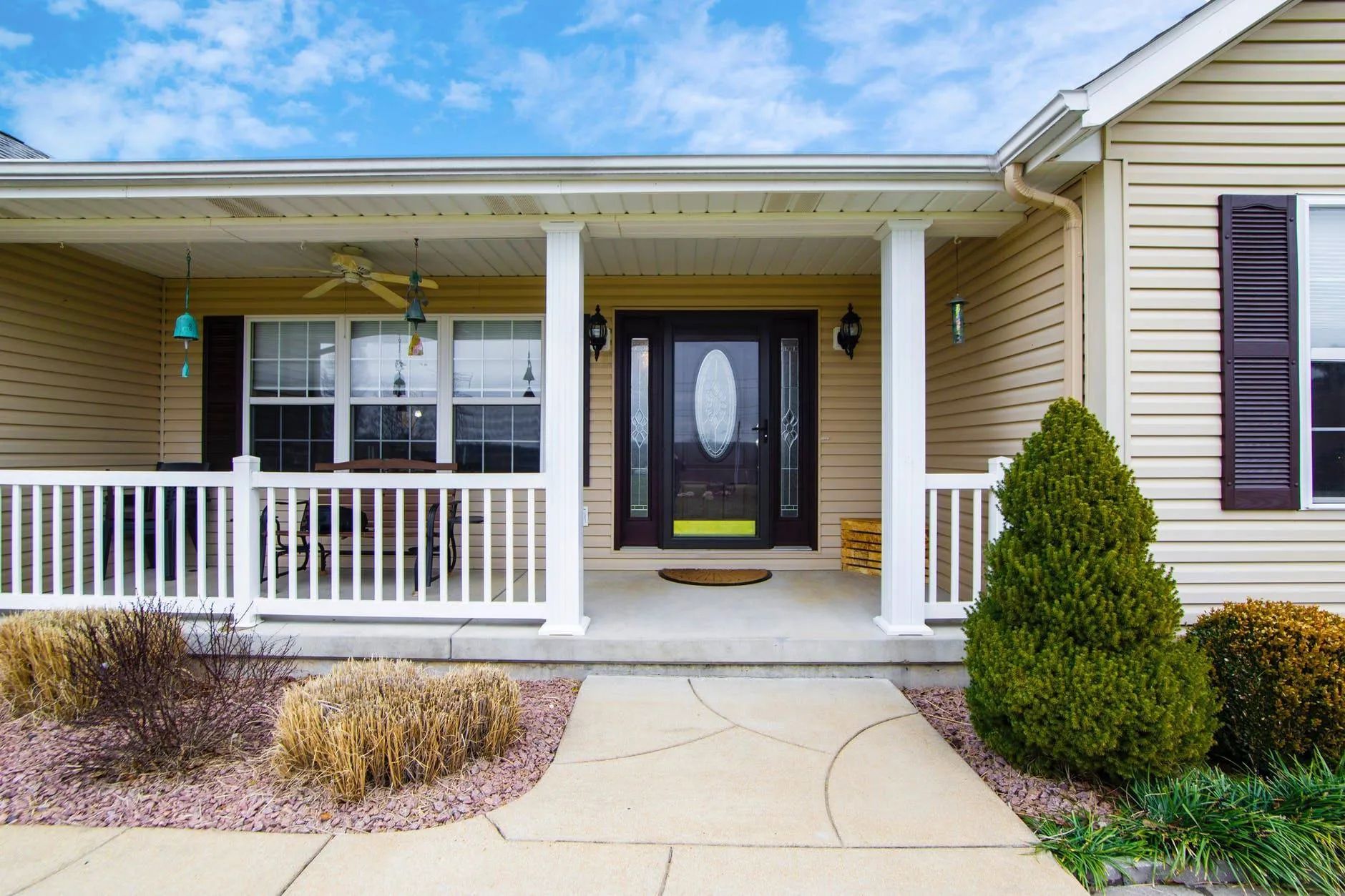
Each home tells a story through its unique design and character. Victorian, Colonial, Craftsman, and modern homes all have distinct architectural characteristics that strongly influence the type of windows that will best complement the structure. For instance, multi-pane, vertically sliding sash windows perfectly suit Colonial homes, while large, clean-lined picture windows harmonize with modern minimalist designs. Matching window style to architectural elements ensures a cohesive, visually appealing result that enhances curb appeal and overall home value over time.
Considering Proportions and Symmetry
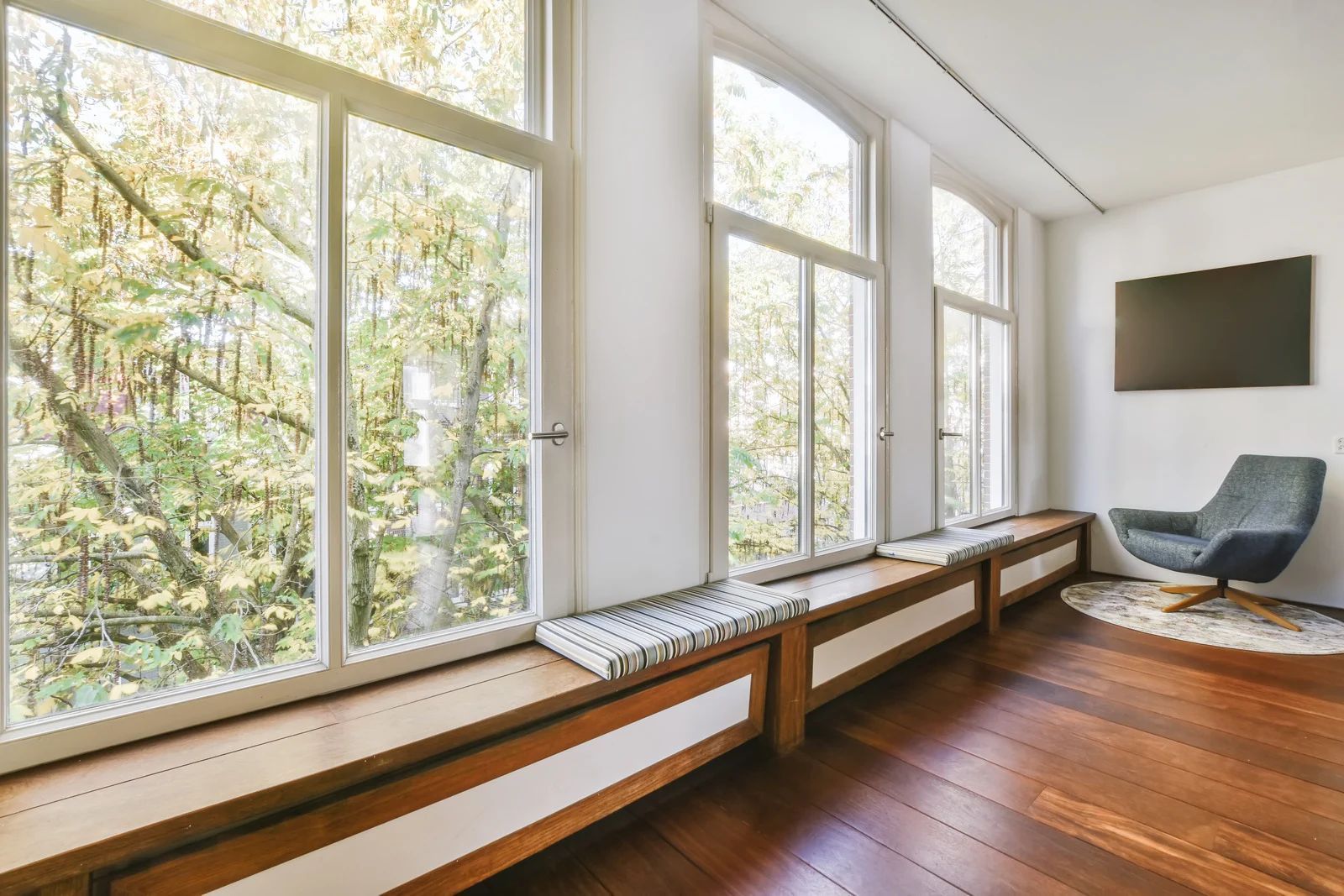
Windows are most effective when carefully scaled to a home’s overall dimensions and proportions. Oversized or undersized windows can easily disrupt the balance and harmony of a façade. Symmetrical arrangements often work well in traditional homes, while asymmetrical or floor-to-ceiling layouts may enhance contemporary architectural designs. Paying close attention to proportions ensures that windows appear as intentional design elements rather than afterthoughts, creating visual balance throughout the home exterior.
Real-World Example
A homeowner renovating a Craftsman bungalow chose double-hung windows with divided light patterns, preserving historical integrity while integrating modern energy-efficient materials. This choice successfully maintained the home’s original charm without compromising performance or comfort, demonstrating that careful consideration of architectural context can harmonize both aesthetics and long-term functionality in practical, real-world scenarios.
Choosing the Right Window Material
Vinyl Windows
Vinyl remains a popular choice for its affordability, low maintenance, and long-lasting durability. Resistant to warping, corrosion, and fading, vinyl windows provide excellent energy efficiency and come in multiple color options. While customization options are somewhat limited compared to wood, vinyl offers excellent long-term value for homeowners prioritizing performance, minimal upkeep, and cost savings over time.
Wood Windows
Wood frames provide natural beauty, warmth, and versatile design possibilities. They can be painted or stained to match both interior and exterior décor while offering strong insulation properties. The primary challenge is the need for regular maintenance to prevent rot, warping, or insect damage. However, for homeowners focused on traditional aesthetics, historical authenticity, or premium finishes, wood windows remain unmatched in elegance and appeal.
Aluminum and Fiberglass
Aluminum windows are strong, lightweight, and low maintenance, although they are less energy-efficient unless thermally broken. Fiberglass combines strength, stability, and superior insulation performance, making it suitable for extreme climates. These materials also allow for larger frame designs without compromising structural integrity, ideal for wide or expansive window layouts and modern architectural requirements.
Budget and Longevity Considerations
Material choice directly impacts both upfront costs and long-term expenses. Vinyl provides a lower initial price, while wood and fiberglass require higher investment but often improve resale value. Evaluating durability, energy efficiency, and ongoing maintenance needs against budget ensures materials deliver immediate benefits while remaining reliable and cost-effective over many years.
Energy Efficiency and Performance
Understanding Insulation and Glazing
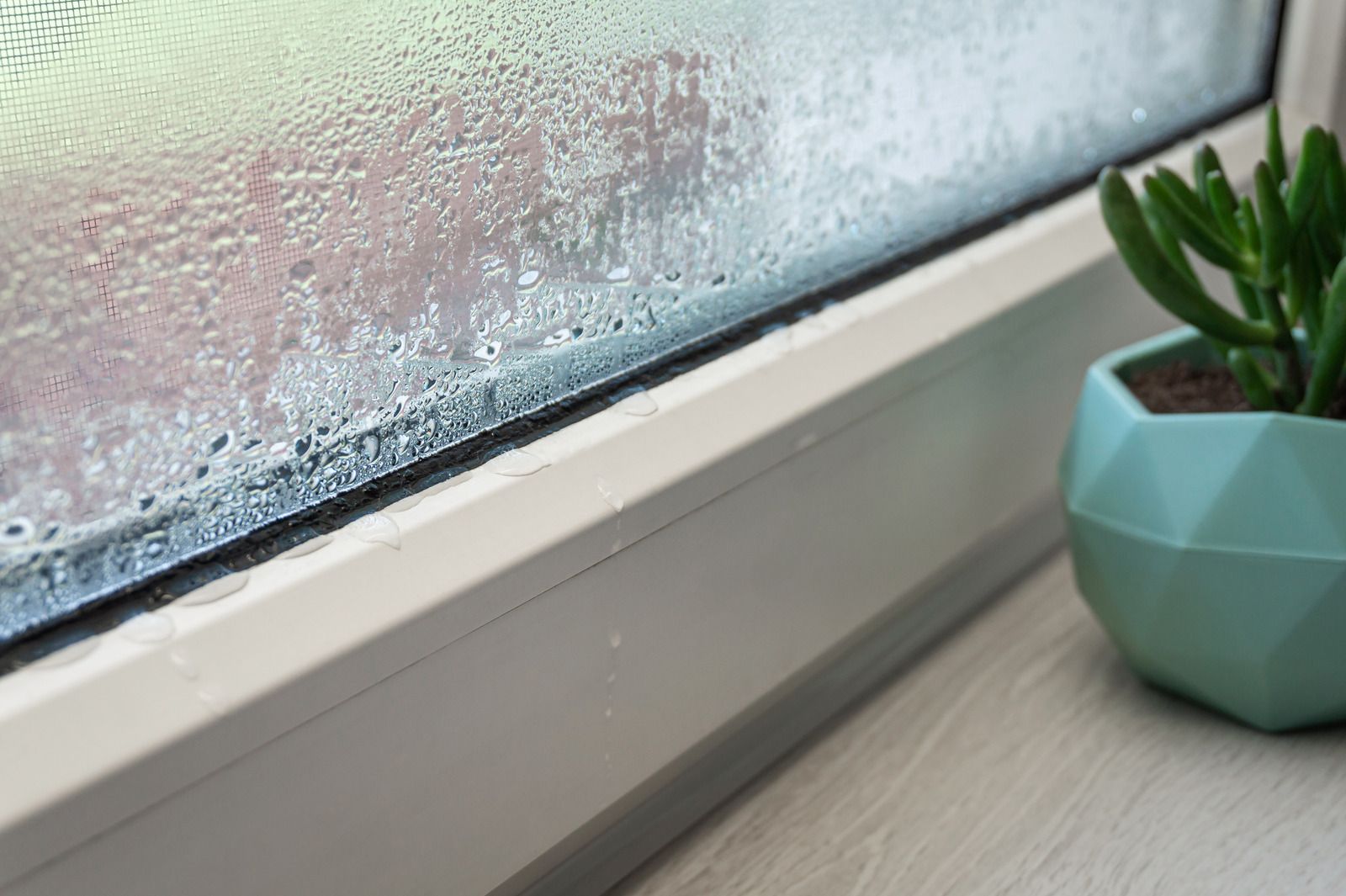
Energy-efficient windows significantly reduce heat loss during winter and limit heat gain in summer months. Double- or triple-pane glazing, combined with inert gas fills, improves insulation, while low-emissivity (Low-E) coatings reflect heat without sacrificing natural light. Properly insulated windows enhance indoor comfort, reduce reliance on HVAC systems, and lower monthly utility bills in a measurable, impactful way for homeowners.
U-Value and Solar Heat Gain Coefficient
The U-value measures heat transfer through a window, with lower values indicating superior insulation. The Solar Heat Gain Coefficient (SHGC) evaluates how much solar energy passes through the glass. Selecting windows with suitable U-values and SHGC ratings based on specific climate conditions ensures optimal energy efficiency. In colder regions, prioritize low U-values; in sunny or hot areas, focus on SHGC to reduce cooling demands and increase comfort indoors.
Noise Reduction and Comfort
Advanced window technologies, such as laminated glass and multi-pane units, also minimize external noise infiltration. Homes near busy streets, highways, or airports benefit significantly from soundproofing features, improving indoor tranquility and overall living comfort. Reducing noise not only enhances quality of life but also positively impacts property value in noise-sensitive neighborhoods.
Real-World Example
A Denver residence replaced outdated single-pane windows with double-pane Low-E models. The outcome was a noticeable drop in monthly heating bills and a far more comfortable indoor environment throughout the year, showing how thoughtful window selection translates directly into measurable financial and lifestyle benefits for any homeowner.
Style and Functionality Considerations
Frame Colors and Finishes
Color and finish choices impact both aesthetics and thermal performance. Dark frames provide a bold, modern contrast, while light or neutral tones blend seamlessly with siding and décor. Modern powder-coated or painted finishes resist fading, maintaining visual appeal with minimal maintenance for years to come.
Decorative Enhancements
Grilles, muntins, and custom window shapes allow for additional personalization. Arched, circular, or uniquely shaped windows introduce character, while internal grids maintain a clean, organized appearance. Decorative features should complement overall style without negatively affecting energy efficiency, functionality, or long-term durability.
Window Types and Operation
Choosing the right window style influences both aesthetic appeal and practical usability. Common types include:
Double-hung: Classic design, easy to clean, versatile for most home layouts.
Casement: Hinged windows that open outward, providing excellent ventilation.
Sliding: Horizontal operation, ideal for modern spaces with wide openings.
Picture: Fixed windows maximizing natural light and exterior views.
Matching the operation type to the room’s function enhances usability and convenience. Kitchens and bathrooms benefit from casement or awning windows for better airflow, while living rooms or family rooms often prioritize large picture windows for expansive views.
Budgeting and Cost Management
Understanding Total Investment
Window costs extend beyond the price per unit, encompassing installation, finishing, energy-efficient upgrades, and ongoing maintenance. Prioritizing quality and long-term performance over initial savings prevents premature replacements, repairs, and unnecessary expenses, making windows a sound financial investment over time.
Balancing Style and Affordability
Homeowners can strategically combine high-performance windows in key areas with more cost-effective models in less prominent locations. For example, premium Low-E fiberglass windows may be installed in south-facing rooms, while standard vinyl frames can be used elsewhere without compromising overall appearance or performance.
Best Practices
Request multiple professional quotes, verify installer expertise, and compare warranty coverage to ensure long-term satisfaction. Planning purchases during off-season periods can also yield discounts. Aligning material selection, functional needs, and aesthetic preferences with a realistic budget ensures that windows deliver maximum value and performance across the home.
Installation and Maintenance Tips
Professional Installation Benefits
Correct installation is critical to maintaining structural integrity, proper sealing, and maximum energy efficiency. Even minor errors, such as uneven alignment, insufficient caulking, or misaligned frames, can reduce performance and lifespan. Investing in skilled, experienced installation protects property value and ensures windows function optimally for many years.
Routine Care
Maintenance routines vary depending on the window material. Vinyl and aluminum require only routine cleaning, while wood frames need periodic sealing or painting to prevent deterioration. Regular inspection of seals, caulking, and hardware helps identify potential issues before they become costly problems.
Longevity Strategies
Upgrading weatherstripping, using UV-resistant coatings, and monitoring caulk seals contribute to long-term durability. Thoughtful, proactive care preserves both appearance and functionality, minimizing lifetime costs and ensuring windows remain an asset rather than a liability, enhancing both comfort and property value over time.
Reliable Window Installations from Our Skilled Professionals
Choosing windows that align with style, functionality, and budget is a critical step in elevating a home’s comfort, efficiency, and aesthetic appeal. Understanding architectural context, selecting appropriate materials, evaluating energy performance, and planning installation ensures a balanced approach that satisfies both practical needs and design goals. Strategic budgeting and proactive maintenance further extend the value of this investment, making window selection a decision that resonates for decades.
At Colorado Western Construction
in Denver, Colorado, 30
years of experience inform every recommendation and installation. Our expertise ensures that every project—from selecting the perfect window materials to providing
professional window installation—is handled with precision and attention to detail. We prioritize energy efficiency, durability, and style, delivering solutions that complement each home’s architecture while respecting budgetary goals. Homeowners can trust us to provide informed guidance, high-quality products, and seamless execution, turning window projects into lasting enhancements that improve comfort, aesthetics, and property value.